The fashion and beauty industries are entering another period of transformation in 2026. Political developments, changing consumer expectations, the rise of accessible beauty brands, and the return of established designers are reshaping how businesses approach creativity and commercial growth.
Recent developments across the global industry reveal an interesting contrast. While some established companies are reporting impressive financial growth, others are facing the challenge of maintaining their relevance in an increasingly competitive market. At the same time, independent designers are exploring new ways to introduce fashion collections, while the beauty sector continues to attract consumers through accessible products and strong brand identities.
From Tapestry’s latest financial performance to e.l.f. Beauty’s rapid expansion, these developments offer a closer look at the forces influencing fashion and beauty in 2026.
1. Political Changes and Economic Confidence Could Influence Fashion Spending
Fashion does not operate independently of the wider economy. Consumer confidence, employment conditions, international trade, and political stability can all influence how people spend their money, particularly when it comes to discretionary purchases such as clothing, accessories, and luxury goods.
The recent United States midterm elections have introduced another important development into this economic conversation. Following the Democratic Party’s victory in both the Senate and the House of Representatives, financial markets responded positively, with the Dow Jones Industrial Average rising approximately 2.8% in the immediate aftermath of the results.
For the fashion industry, however, the implications are more complicated than a short-term stock market movement.
Hildy Kuryk, interim CEO of the Council of Fashion Designers of America (CFDA), described the consumer mood as cautiously optimistic. While some shoppers may feel more confident about the direction of the economy, many are still taking a wait-and-see approach. Affordability and economic stability remain important considerations for consumers.
This cautious attitude is particularly relevant to luxury fashion. Unlike essential purchases, high-end clothing, handbags, and accessories often depend on consumers having sufficient confidence in their financial circumstances. Even shoppers who remain interested in luxury brands may become more selective about when and what they purchase.
For fashion companies, this means that optimism alone may not be enough to guarantee stronger sales. Brands must continue to demonstrate why their products deserve a place in consumers’ budgets.
The broader lesson is that fashion businesses need to understand not only what consumers want to wear, but also the economic conditions influencing their purchasing decisions.
2. Tapestry’s Financial Performance Highlights the Strength of Coach
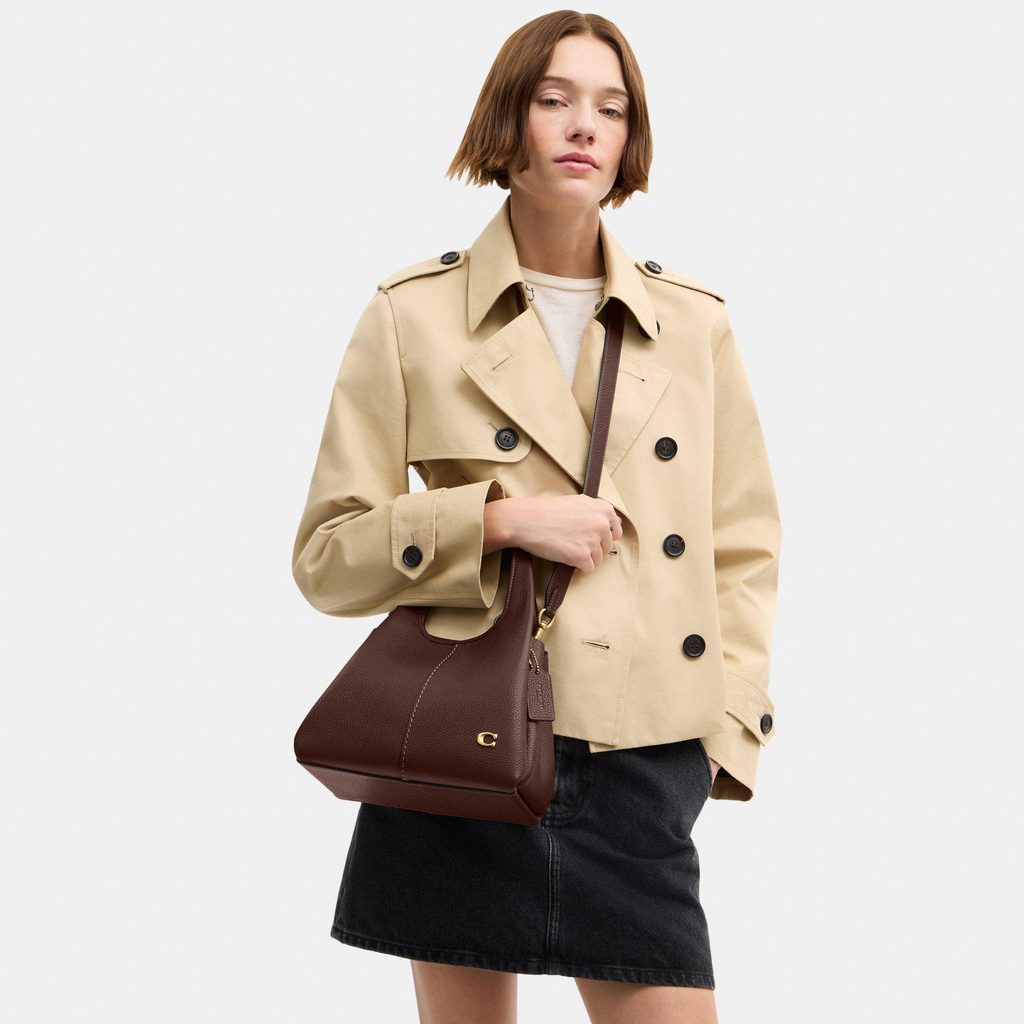
One of the most notable business developments in the fashion industry comes from Tapestry Inc., the parent company of Coach and Kate Spade New York.
For its first quarter of fiscal 2027, Tapestry reported revenue of approximately $1.89 billion, representing an 11% increase compared with the previous year. The company’s performance was largely driven by Coach, which recorded a 16% increase in revenue to approximately $1.66 billion.
Kate Spade, by comparison, reported revenue of approximately $233 million, representing a 10% decline.
These results demonstrate how different brands within the same corporate portfolio can experience very different commercial conditions.
Coach’s performance suggests that its positioning, product strategy, and relationship with consumers are continuing to generate substantial demand. The brand has maintained a strong presence in the accessible luxury segment, where customers can purchase recognizable designer products without necessarily entering the highest price categories of the luxury market.
This positioning may be particularly important in an environment where consumers are increasingly conscious of value. A recognizable brand identity, desirable product design, and relatively accessible price points can help attract shoppers who still want a luxury-inspired experience but are more careful with their spending.
Kate Spade’s decline presents a different challenge. Although the brand remains an established name in fashion, its latest results indicate that maintaining commercial momentum requires more than historical recognition.
Tapestry has responded by raising its fiscal 2027 revenue outlook to approximately $8.5 billion to $8.6 billion, compared with its previous projection of $8.4 billion to $8.5 billion.
The difference between Coach and Kate Spade offers an important insight: brand strength is not permanent. Fashion companies must continuously develop products, marketing strategies, and customer experiences that reflect changing expectations.
3. E.l.f. Beauty Demonstrates the Growing Commercial Power of Accessible Beauty
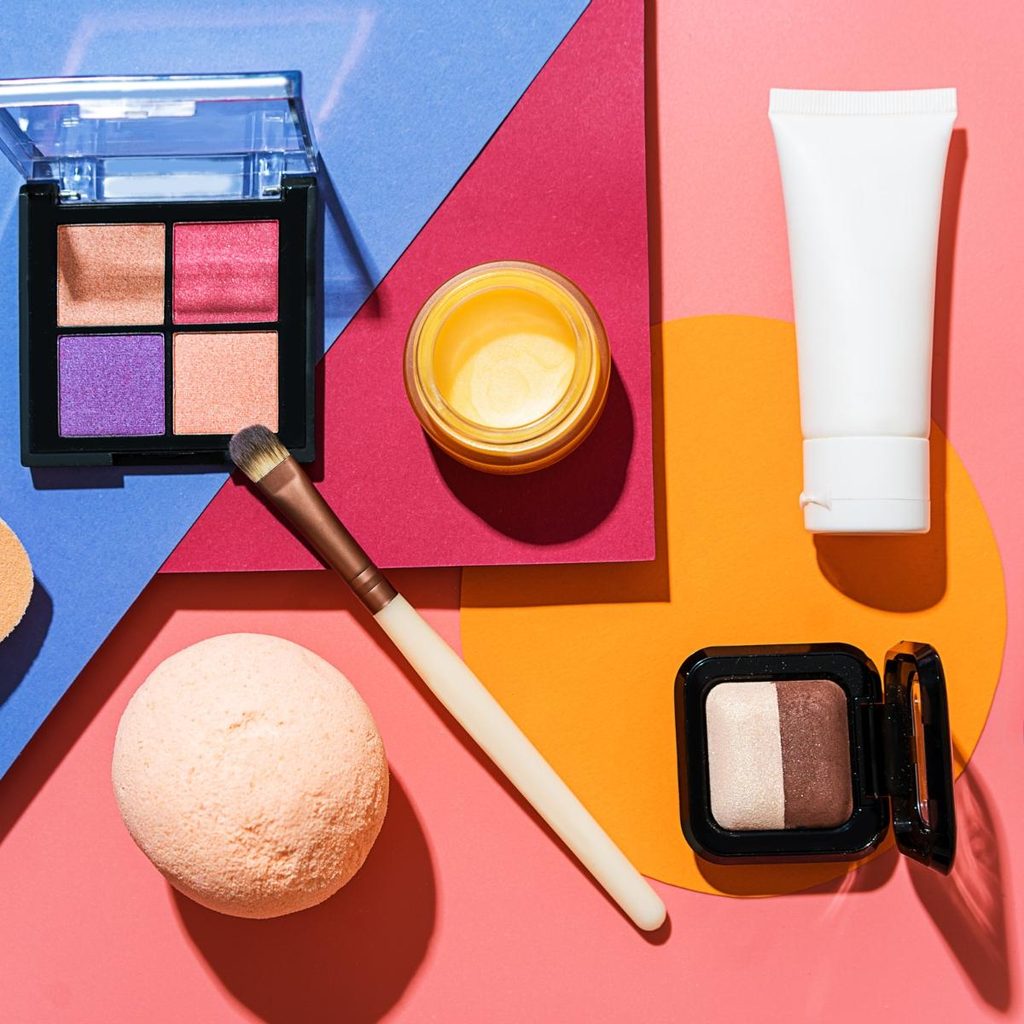
While parts of the fashion industry are navigating uneven demand, the beauty sector is demonstrating considerable commercial momentum.
E.l.f. Beauty reported a 51% increase in net sales for the second quarter of fiscal 2027, reaching approximately $520.8 million. For the six-month period ending September 30, 2026, the company recorded net sales of approximately $1 billion, representing a 43% increase compared with the same period in the previous year.
Following this performance, the company raised its full-year fiscal 2027 net sales growth forecast to between 22% and 24%, up from its previous expectation of 18% to 20%.
These figures illustrate the growing commercial opportunities available to beauty brands that successfully combine accessible pricing, product innovation, and effective marketing.
E.l.f. has built much of its identity around making beauty products accessible to a broad consumer audience. Rather than relying exclusively on traditional luxury positioning, the company emphasizes affordability, digital engagement, and products designed to appeal to a wide range of customers.
Its strategy also reflects the growing importance of social media in the beauty business. Consumers increasingly discover products through online communities, creator recommendations, short-form videos, and digital campaigns.
This creates opportunities for brands to build relationships with customers without relying entirely on traditional advertising channels.
The company’s expansion also highlights how the boundaries between beauty categories are becoming increasingly flexible. Cosmetics, skincare, and hair-care products can operate under a broader brand ecosystem, allowing businesses to reach consumers through multiple product categories.
For the wider fashion and lifestyle industry, e.l.f. Beauty’s performance offers an important reminder: brand accessibility and strong consumer engagement can be powerful commercial advantages.
4. Veronica Etro Returns With a New Independent Fashion Label
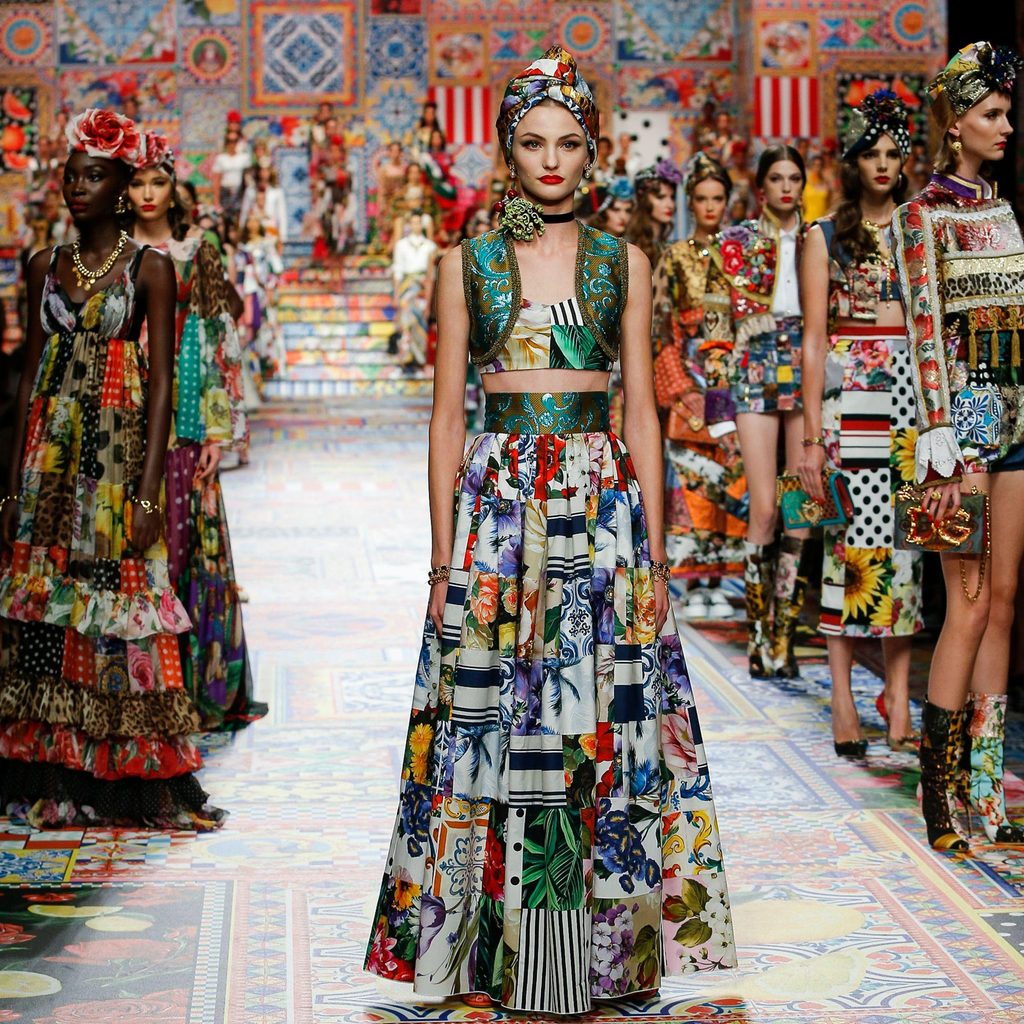
Another interesting development comes from Italian designer Veronica Etro, who is returning to the fashion industry with a new independent label called Off the Menu.
After leaving her position as creative director at the family-owned fashion house Etro in 2022, Veronica Etro is now preparing a new creative chapter through a more selective approach to fashion design.
The new label is expected to introduce two collections each year, with its first Fall 2027 collection featuring approximately 35 pieces.
Rather than following the traditional approach of producing large seasonal collections, Off the Menu is intended to focus on carefully selected designs conceived almost as collectible pieces.
The brand’s name references the idea of special dishes created outside a restaurant’s regular menu. This concept reflects the designer’s intention to explore fashion through a more personal and creative perspective.
The approach is particularly interesting in an industry where many brands are reconsidering the balance between commercial production and creative identity.
For decades, fashion houses have operated through seasonal calendars, large collections, and extensive distribution networks. However, smaller and more focused collections can offer designers greater flexibility to experiment with materials, silhouettes, and craftsmanship.
Off the Menu represents an alternative model in which individuality and creative direction take priority over the constant production of new products.
It also reflects a wider interest in fashion pieces that feel more distinctive and less dependent on short-lived trends.
For consumers who value personal style, timeless design, and exclusivity, this approach could offer a different kind of relationship with fashion.
5. John Frieda’s Legacy and the Changing Hair-Care Industry
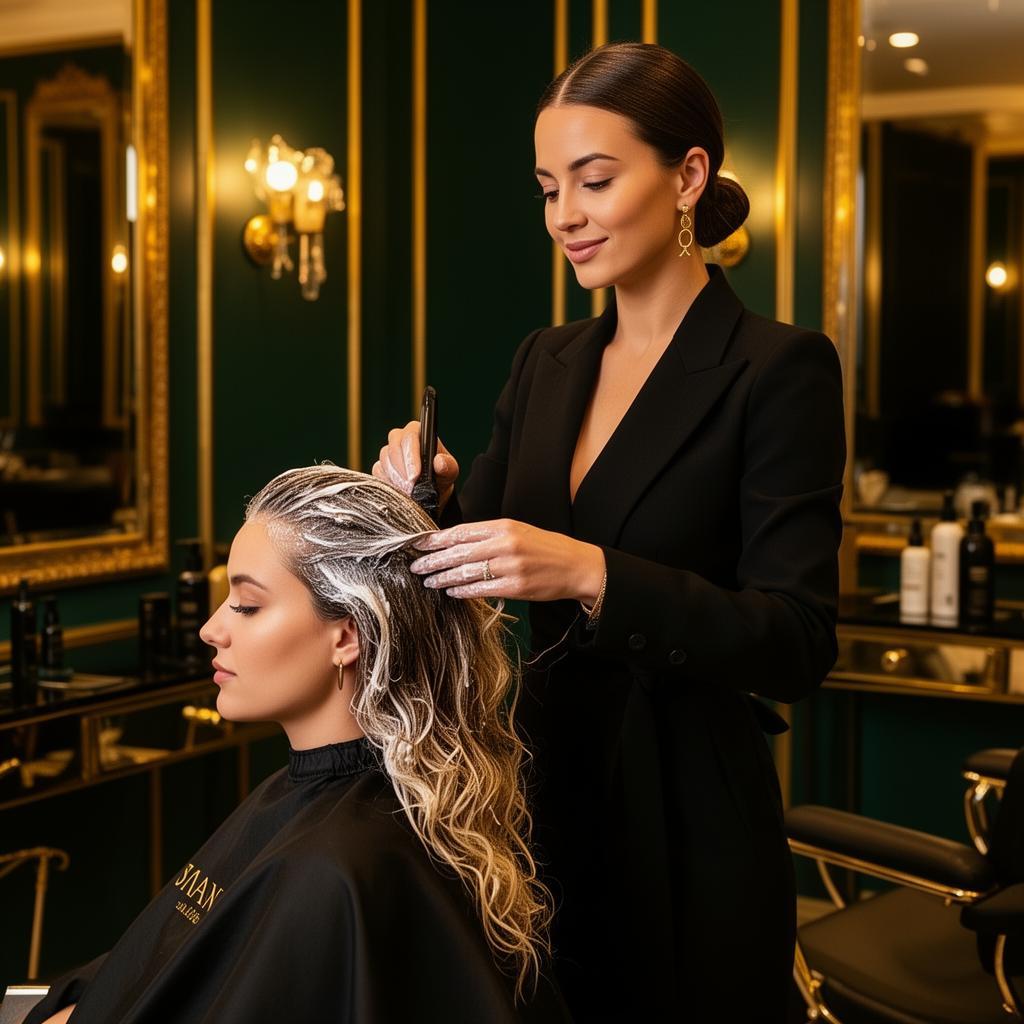
The beauty industry has also experienced a significant moment with the passing of British hairstylist and entrepreneur John Frieda at the age of 75.
Frieda became one of the most recognizable names in professional hair styling, building a reputation through his work with high-profile clients and his influence on contemporary hair-care culture.
He opened his first salon in London’s West End in 1976, eventually establishing relationships with prominent figures in entertainment and fashion.
His career later expanded beyond salon services into the development of commercial hair-care products. One of his most recognizable achievements was the creation of Frizz Ease, a product line introduced in 1988 that became widely associated with managing frizzy hair.
The success of the brand demonstrated how professional expertise could be transformed into consumer products with international commercial appeal.
Frieda’s career is an example of how a personal reputation can become the foundation of a successful beauty business. His understanding of hair styling, combined with product development and brand positioning, helped establish a recognizable identity that extended beyond the salon environment.
His passing marks the loss of an influential figure in the hair-care industry, but his work also offers an enduring lesson about the relationship between professional knowledge, innovation, and commercial branding.
In an increasingly competitive beauty market, a brand’s identity is not built solely through packaging or advertising. Expertise, credibility, and a clear understanding of consumer needs can be equally important.
6. Not Every Celebrity Beauty Brand Finds Long-Term Success
Although the beauty sector continues to attract investment and consumer interest, not every brand succeeds in establishing a sustainable business.
Celebrity hairstylist Andrew Fitzsimons’ namesake hair-care brand is one example of the challenges facing this market.
Originally launched in 2022 in partnership with beauty incubator Maesa, Andrew Fitzsimons Hair later became independently owned by Fitzsimons after he acquired the business in 2024. However, the brand eventually wound down its operations in February 2026.
Its closure illustrates an important distinction between launching a brand and building a sustainable business.
Celebrity recognition can generate initial attention, but long-term success requires more than a recognizable founder. Brands must establish consistent product demand, manage distribution costs, maintain customer loyalty, and compete with established companies that already have significant retail and marketing resources.
The beauty market may offer opportunities for new businesses, but it is also crowded with established brands, emerging competitors, and rapidly changing consumer preferences.
For entrepreneurs entering the fashion and beauty industries, this creates an important challenge: a strong personal brand can attract attention, but a sustainable business needs a clear commercial strategy behind it.
7. The Future of Fashion and Beauty Will Depend on Adaptability
Looking across these developments, one theme becomes increasingly clear: the fashion and beauty industries are not moving in a single direction.
Some companies are experiencing substantial revenue growth, while others are struggling to maintain their market positions. Established designers are exploring independent creative projects, and beauty entrepreneurs are discovering new opportunities through digital communities and accessible product strategies.
At the same time, consumer behavior is becoming more selective. Shoppers are increasingly aware of pricing, product value, brand identity, and the experiences associated with their purchases.
For luxury fashion houses, this means that heritage and exclusivity must continue to evolve alongside modern consumer expectations. For accessible brands, the challenge is to maintain affordability without losing product quality or brand distinction.
The beauty sector offers another important perspective. Companies that understand digital engagement, product innovation, and consumer accessibility can create significant growth opportunities. However, the closure of smaller celebrity-led brands demonstrates that commercial success requires a sustainable foundation.
Ultimately, the future of fashion will not belong exclusively to the largest luxury houses or the newest emerging labels. It will favor businesses capable of balancing creativity with commercial discipline, building meaningful relationships with consumers, and adapting to an industry that continues to change.
Fashion has always reflected the society around it. In 2026, that relationship is becoming more visible than ever, as economic conditions, cultural developments, and new business models influence what people buy, how brands operate, and what style means to the next generation.
For designers, entrepreneurs, and established fashion houses alike, the challenge is no longer simply to follow trends. It is to understand the changes shaping the industry and create something that remains relevant beyond the current season.
