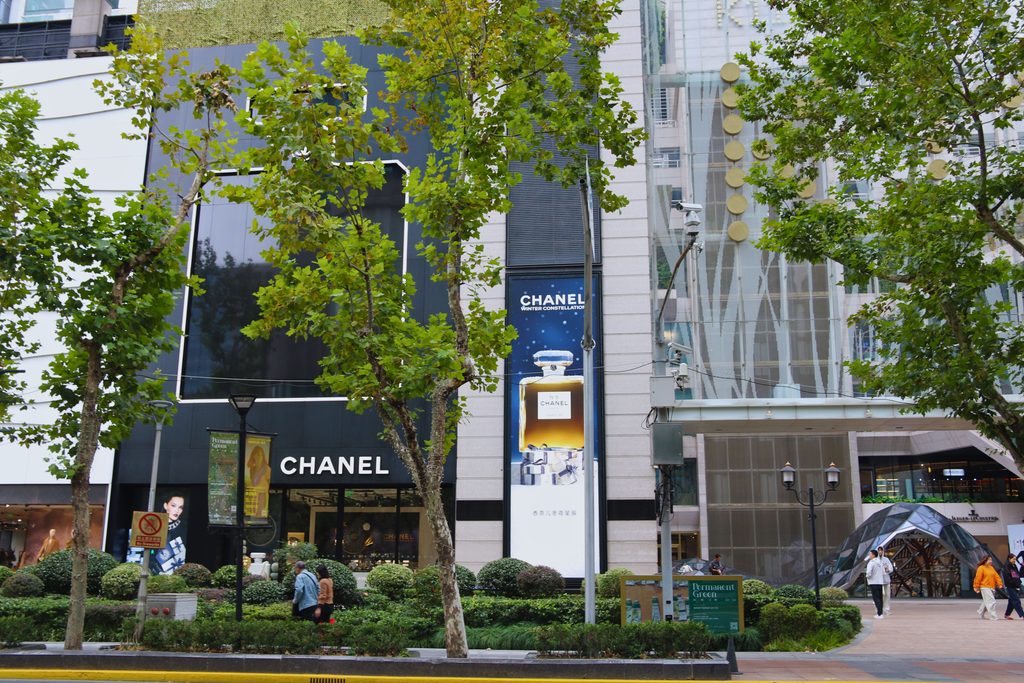
China has long been one of the most influential markets in the global luxury industry. With its growing population of affluent consumers, expanding middle class, and strong interest in international fashion houses, the country has become an important destination for some of the world’s most prestigious luxury brands. Among them, Chanel has established a particularly recognizable position, building its reputation through fashion, handbags, fragrances, skincare, and beauty products.
The brand’s influence in China has an interesting history. According to the Digital Luxury Group’s World Luxury Index China 2nd Edition, Chanel once surpassed Louis Vuitton to become the most sought-after global luxury brand in the Chinese market. The achievement was largely associated with growing consumer interest across multiple product categories, particularly beauty, which helped Chanel attract attention beyond traditional fashion consumers. At the time, Louis Vuitton’s appeal was more heavily concentrated in the fashion segment.
However, the Chinese luxury market has changed considerably since that ranking was published. Consumer expectations have evolved, purchasing decisions have become more selective, and competition has expanded beyond traditional European fashion houses. Economic uncertainty has also influenced spending patterns, forcing luxury companies to reconsider how they communicate value and maintain customer loyalty.
In 2026, Chanel faces a different competitive environment from the one in which it originally achieved its leading position. Rather than relying solely on its established reputation, the French fashion house must continue developing its products, retail experiences, and relationships with Chinese consumers. Its renewed creative direction under Matthieu Blazy and continued investment in the Chinese market demonstrate how the company is approaching this new chapter.
The question is no longer simply whether Chanel can become China’s most sought-after luxury brand again. It is how the fashion house can preserve its desirability, adapt to changing consumer expectations, and remain competitive in one of the world’s most important luxury markets.
Chanel’s Early Success and Its Position in China’s Luxury Market
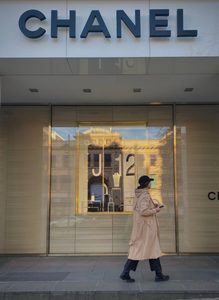
Chanel’s historical position in China illustrates how luxury brands can build strong consumer recognition by developing a presence across multiple product categories. When the Digital Luxury Group published its second edition of the World Luxury Index China, Chanel emerged as the most sought-after international luxury brand, overtaking Louis Vuitton. The report highlighted increasing interest in Chanel’s beauty products, demonstrating that consumer attention was not limited to handbags, clothing, or other traditional fashion products.
This distinction was particularly important because luxury consumption in China was developing rapidly. Consumers were becoming increasingly familiar with international brands, while access to premium products expanded through shopping malls, department stores, international travel, and digital platforms. Luxury brands were no longer competing exclusively through their fashion collections. Their fragrances, cosmetics, watches, and accessories also played an important role in building brand recognition.
Chanel benefited from its ability to offer a relatively broad luxury experience. A consumer might first encounter the brand through a fragrance or skincare product before developing an interest in its handbags, ready-to-wear collections, or fine jewelry. This created multiple opportunities for customer engagement and allowed the company to reach consumers with different purchasing capacities.
The original ranking also highlighted the competitive positions of other major fashion houses. Louis Vuitton followed Chanel, while Gucci occupied another leading position. Giorgio Armani was identified as one of the fastest-growing fashion brands in the report, having climbed 17 positions compared with the previous year.
Nevertheless, these findings should be understood within their original historical context. A ranking based on online search interest does not necessarily represent actual product sales, market share, or overall brand profitability. It provides a picture of consumer attention at a particular moment rather than a permanent measurement of commercial success.
Looking back at this period offers an important lesson about luxury branding: popularity can be influenced by more than a brand’s most recognizable products. A company capable of creating interest across several categories may have a broader relationship with consumers than a competitor whose recognition is concentrated in a narrower product segment.
For Chanel, this diversified appeal became an important foundation for its long-term presence in China.
China’s Luxury Market Is Entering a More Selective Period
The Chinese luxury industry has experienced significant changes over the past several years. Although the market remains strategically important to international brands, consumer spending has become more cautious following a period of economic uncertainty and weaker demand for expensive discretionary products.
According to Bain & Company’s China Personal Luxury Report, published in January 2026, mainland China’s personal luxury market contracted by approximately 3% to 5% in 2025. Although this represented a considerable improvement compared with the estimated 17% to 19% decline in 2024, the figures indicated that the market was still undergoing a gradual adjustment rather than experiencing a complete recovery.
One of the most interesting findings was the difference in performance between product categories. Beauty demonstrated greater resilience, with growth estimated at 4% to 7%. In contrast, fashion declined by approximately 5% to 8%, while leather goods and handbags experienced a sharper contraction of around 8% to 11%.
These differences reveal an important change in consumer behavior. Rather than reducing all luxury spending equally, consumers are becoming more selective about which products deserve their money. Fragrances, skincare, and other beauty products can provide a premium experience at a lower purchase price than an expensive handbag or designer wardrobe.
For a brand such as Chanel, this creates both opportunities and challenges. Its strong presence in fragrance and beauty provides access to consumers who may remain interested in premium products even when they become reluctant to purchase expensive fashion items. However, maintaining the appeal of its high-value categories requires continuous attention to product innovation, craftsmanship, and brand desirability.
The changing economic environment has also encouraged consumers to evaluate luxury products more carefully. Quality, exclusivity, practicality, and long-term value have become increasingly important considerations. A recognizable logo or prestigious brand name may attract attention, but these factors alone are not always sufficient to justify a purchase.
Bain expects China’s personal luxury market to return to modest growth in 2026, although the recovery is likely to vary between product categories and individual brands. This means that established companies cannot assume that improving market conditions will automatically translate into stronger sales.
For Chanel, the opportunity lies in understanding these changes and developing a strategy that responds to the priorities of today’s Chinese luxury consumers.
How Chanel Is Strengthening Its Position Through Retail and Customer Experience
One of Chanel’s most important strategic decisions in China has been its continued investment in physical retail spaces. While digital platforms have transformed how consumers discover luxury products, physical boutiques remain essential for communicating the identity and exclusivity of a luxury house.
In September 2026, Chanel chief executive Leena Nair reaffirmed the company’s long-term commitment to China despite the challenging market environment. She highlighted the importance of Chinese consumers and pointed to the renovation of the brand’s Plaza 66 boutique in Shanghai as an example of its continued investment.
The renewed Plaza 66 location reflects a broader approach to luxury retail. Instead of functioning simply as a place where customers purchase handbags, clothing, or beauty products, the boutique is designed to provide a more comprehensive experience of the Chanel universe.
The expanded store brings together different parts of the brand, including fashion, accessories, watches, fine jewelry, fragrances, and beauty. Additional facilities and services also help strengthen the relationship between the company and its customers.
This strategy is particularly relevant in a market where luxury consumers are becoming more selective. When purchasing decisions involve significant amounts of money, the quality of the shopping experience can influence how customers evaluate a brand.
Personalized services, private appointments, knowledgeable sales associates, and exclusive environments can make customers feel that their relationship with a luxury house extends beyond an ordinary retail transaction. These experiences also create opportunities for brands to build stronger relationships with high-value clients.
Chanel’s investment in China should therefore be understood as more than an expansion of its retail network. It represents an effort to maintain a direct connection with consumers while strengthening the emotional and experiential aspects of its identity.
In an increasingly competitive luxury environment, the ability to create meaningful customer experiences may become just as important as the products themselves.
The Growing Importance of Beauty in Chanel’s Business Strategy
Beauty has historically played an important role in Chanel’s international success, and its significance becomes even more apparent when considering the changing structure of China’s luxury market.
Unlike high-priced handbags or ready-to-wear collections, fragrances, skincare, and cosmetics offer consumers different ways to experience a luxury brand. Although premium beauty products can still represent a considerable purchase, they generally provide a more accessible entry point into a prestigious fashion house.
This allows Chanel to reach a broader audience without changing the exclusive positioning of its fashion business. A customer who is not yet prepared to purchase an expensive handbag may still choose a Chanel fragrance, lipstick, or skincare product. Over time, these interactions can help develop familiarity with the brand and create opportunities for deeper customer engagement.
The category’s resilience is also supported by changing consumer priorities. Bain’s 2025 market analysis identified beauty as the strongest-performing personal luxury category in mainland China, with estimated growth of 4% to 7%. This contrasted with the weaker performance of leather goods and several other traditional luxury segments.
Chanel’s own business developments reinforce the importance of this category. Its 2025 financial results highlighted the contribution of fragrance and skincare, including the performance of its fragrance portfolio and the introduction of new products. The company also continued investing in dedicated fragrance and beauty boutiques, expanding its retail presence and creating more specialized shopping experiences.
However, the opportunity is not without competition. The beauty industry in China includes established international cosmetics companies, premium skincare specialists, and increasingly influential domestic brands. Consumers have access to a wide range of alternatives, making product performance, brand credibility, and innovation important competitive factors.
For Chanel, maintaining its position requires more than relying on the reputation of its name. Its beauty business must continue offering products that consumers genuinely value while preserving the distinctive identity associated with the fashion house.
This combination of accessibility, product development, and brand recognition makes beauty an important component of Chanel’s broader strategy in China.
Competition Is No Longer Limited to International Luxury Houses
The competitive environment facing Chanel has also become more complicated as Chinese consumers develop stronger relationships with domestic brands.
For many years, European luxury houses benefited from their established international reputations, traditional craftsmanship, and association with global fashion culture. Brands such as Chanel, Louis Vuitton, Gucci, and Dior became recognizable symbols of luxury consumption among Chinese consumers.
However, the market has gradually developed beyond this traditional structure. Chinese brands are increasingly building their own identities by combining local cultural references, contemporary design, digital communication, and a better understanding of domestic consumer preferences.
The growing influence of the Guochao movement, which celebrates Chinese cultural identity through modern products and branding, illustrates this development. Rather than simply purchasing international luxury labels, some consumers are becoming more interested in brands that reflect their own cultural experiences and aesthetic preferences.
This shift creates a different competitive environment for international fashion houses. Their historical reputation remains valuable, but it does not guarantee that consumers will continue choosing their products.
Luxury brands must demonstrate that they understand the market in which they operate. This includes adapting communication strategies, providing relevant shopping experiences, and developing products that resonate with local expectations without abandoning their international identity.
For Chanel, the challenge is particularly interesting because its appeal is closely connected to a recognizable French fashion heritage. The brand must preserve this identity while remaining culturally relevant to a younger generation of Chinese consumers.
The rise of domestic luxury and premium brands should not necessarily be interpreted as a direct replacement for established international fashion houses. Instead, it reflects a more diverse market in which consumers have more choices and increasingly individual preferences.
In this environment, brand loyalty must be continuously reinforced through creativity, product quality, and meaningful customer relationships.
Matthieu Blazy and a New Chapter in Chanel’s Creative Direction
Another important development influencing Chanel’s position in 2026 is the arrival of Matthieu Blazy as the brand’s new artistic director of fashion activities.
Creative leadership plays a significant role in shaping the identity and desirability of a luxury fashion house. A new designer can introduce different interpretations of established codes, attract media attention, and encourage existing customers to reconsider their relationship with the brand.
Blazy’s arrival has generated renewed interest in Chanel’s fashion collections. His creative direction represents an opportunity to explore the house’s heritage through a contemporary perspective while maintaining recognizable elements associated with its history.
For Chinese consumers, the appeal of a luxury brand is not determined solely by its historical reputation. New collections, visual storytelling, runway presentations, and the cultural relevance of its designs all contribute to how consumers perceive the brand.
A successful creative transition can therefore strengthen the relationship between a heritage fashion house and a new generation of customers.
This is especially important in a market where consumers are becoming more selective and are increasingly interested in the identity behind the products they purchase. A handbag or jacket is no longer simply a luxury object. It can also represent personal taste, cultural awareness, and an emotional connection with a particular designer or fashion house.
Nevertheless, the long-term impact of a new creative direction cannot be measured through initial media attention alone. Sustained commercial success depends on whether consumers continue to appreciate the collections, whether products meet their expectations, and whether the brand maintains a consistent identity over time.
For Chanel, Blazy’s appointment provides an opportunity to renew interest in its fashion business while reinforcing the heritage that has supported the house for generations.
The Future of Chanel in China’s Luxury Market
Looking ahead, China’s importance to Chanel is likely to remain substantial, although the company’s future performance will depend on how successfully it responds to a changing luxury environment.
The market is no longer defined exclusively by rapid expansion and growing demand for recognizable international brands. Consumers have become more informed, purchasing decisions are increasingly deliberate, and competition now comes from a wider range of international and domestic companies.
Research published by McKinsey and The Business of Fashion in June 2026 also highlights a shift in the factors influencing luxury brand desirability. Emotional connection has become an important driver of consumer interest, while experiences, personalization, and a sense of recognition are increasingly shaping how customers evaluate luxury brands.
For Chinese luxury consumers in particular, established brands continue to carry significant emotional weight. However, this does not mean that heritage alone is sufficient. Consumers increasingly expect brands to provide meaningful experiences and demonstrate that they understand their preferences.
This creates several important priorities for Chanel.
First, the company must continue developing its fashion and beauty portfolios. A strong beauty business can help maintain customer engagement during periods when demand for expensive fashion products is weaker. At the same time, distinctive fashion collections are essential for preserving the brand’s prestige and creative relevance.
Second, retail investment must translate into better customer relationships. Large boutiques and impressive interiors can strengthen brand visibility, but personalized service and memorable experiences are what encourage customers to return.
Third, Chanel must remain attentive to the development of domestic competitors. Chinese luxury consumers have access to more choices than ever before, and international brands need to demonstrate why their products deserve continued attention.
Finally, the company must balance its international identity with local market expectations. Its French heritage remains one of its greatest strengths, but its long-term success in China will depend on how effectively that heritage connects with contemporary Chinese consumers.
Chanel’s historical achievement as China’s most sought-after luxury brand provides an interesting starting point for understanding its relationship with the market. Yet the conditions that created that position are not identical to those shaping the industry today.
Rather than simply attempting to reclaim an old ranking, Chanel is entering a new phase in which creativity, customer experience, product relevance, and long-term brand investment will determine its competitive position.
Ultimately, the future of luxury in China will not belong automatically to the brands with the longest histories or the most recognizable logos. It will favor those capable of maintaining emotional connections with consumers while adapting to a more selective and increasingly sophisticated market. For Chanel, the challenge is to ensure that its heritage remains a source of future relevance rather than simply a reminder of past success.
