Scroll through social media for ten minutes and you will see it: a friend finishing a first 10K, a creator hiking at sunrise, a café with a line out the door. Each post carries the same quiet message, which is that everyone else is already doing this. That feeling has a name, fear of missing out, and it is usually discussed as a problem. For anyone building a clothing brand, though, there is a more useful reading. FOMO trends in fashion business are really signals of where people are about to spend money, time and attention.
This article looks at the positive side of FOMO: trends built around health, community and shared experiences. For each one, we examine why it creates demand for clothing, what products make sense and what a brand should think about before committing.
Why FOMO Creates Real Demand
FOMO is the discomfort of watching others enjoy something you are not part of. In itself, that is neither good nor bad. What matters is where it leads. When it leads to endless scrolling, nothing happens. When it leads to a first run, a first pilates class or a first hiking trip, a person suddenly needs gear, and often wants to look the part.
This is what makes the trend economically interesting. A single new interest rarely creates demand for a single product. A beginner runner needs a lightweight top, shorts, a cap and a jacket for early mornings. A new hiker needs layers, a comfortable base shirt and something to wear back at camp. The activity becomes a shopping list, and the identity that comes with it, “I’m a runner now”, makes people willing to buy items that signal that identity.
There is also a social engine behind it. People adopt activities partly because their friends and favorite creators do, and they share the experience afterward, which pulls in the next wave. For a brand, this means the best opportunities are rarely in the activity alone but in the community around it.
1. Fitness Trends: Running, Yoga, Pilates and Strength Training
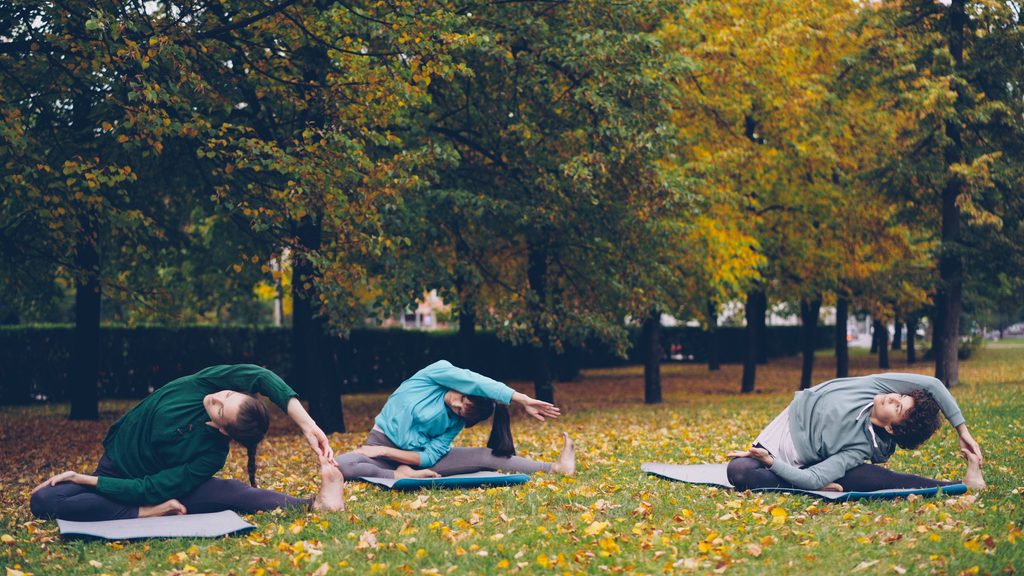
Fitness is the clearest example of a trend that is both personal and social. It improves health, but it also gives people a place to belong: run clubs meet on weekends, studios build loyal groups and gyms form their own cultures. Every one of these communities has its own clothing needs, and that is where a small brand can find a specific audience.
Running. Running clothes are judged on function first. Runners want pieces that are light, breathable and free of distracting seams, because discomfort is noticed within minutes. Moisture-wicking polyester knits, often sold as dry-fit, are the standard choice because they dry quickly and stay light on the body. Product ideas include running tees, singlets, shorts, lightweight jackets and caps. The community side matters just as much: run clubs often want matching jerseys for events, which creates a natural path to custom and small-batch orders. A brand that serves one local club well can grow through word of mouth, because members wear the product to every race.
Yoga and pilates. These activities depend on flexibility and comfort, so fabric stretch and recovery are the key factors. Blends of polyester and spandex are common because they move with the body and keep their shape. Legging, sports bras, fitted tops and light outer layers form the core range. The category also rewards design thinking. Because studio classes are social and photographed often, color palettes, seam placement and fit become part of the appeal. A soft, muted collection with a consistent identity can feel premium without carrying a premium production cost.
Gym and strength training. Here the aesthetic leans toward structure and confidence. Oversized training tees, tank tops, training shorts and jerseys are common, and the choice of fabric depends on the intensity. For heavy sessions, breathable performance fabric works better, while combed cotton remains popular for oversized shirts worn in lighter training or on the way to and from the gym because of its softer hand-feel. The opportunity is in understanding that gym clothing doubles as everyday streetwear. Pieces that look good in a mirror and also on the street have the longest wear cycle.
Things to consider: fitness is crowded, and large brands dominate technical performance. A newcomer is usually better off focusing on a niche (a specific sport, a community or a style) than competing on features. Be honest about what your fabric can do, since athletes notice when a claim does not hold up.
2. Outdoor Trends: Hiking, Trail Running and Camping
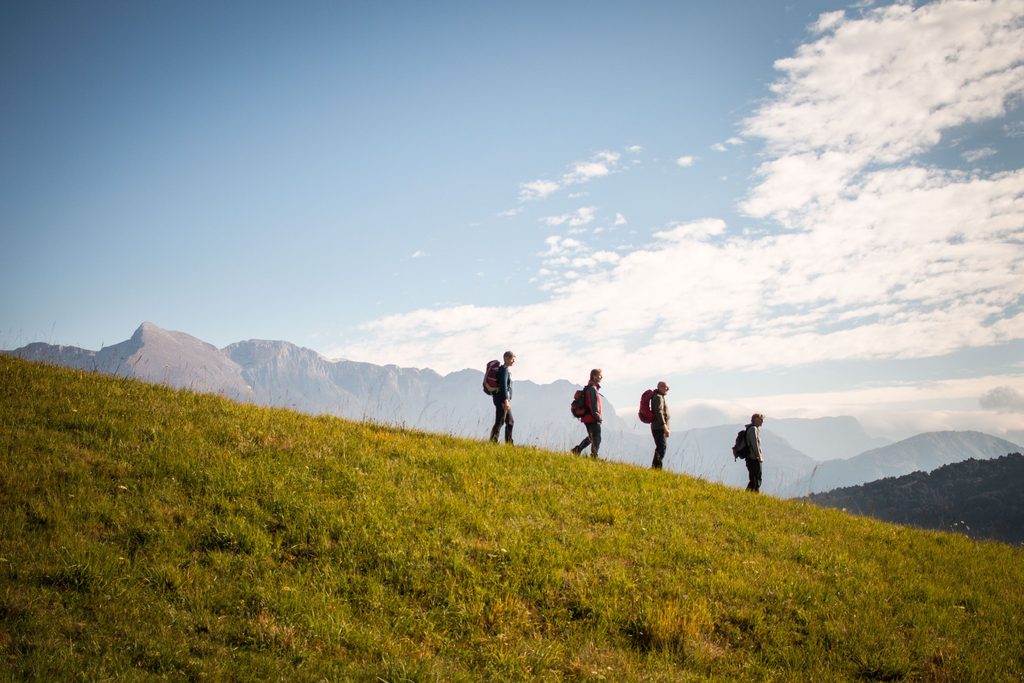
Outdoor activities have a special place in the FOMO economy because they photograph so well. A mountain summit, a forest trail or a campsite at dusk makes for compelling content, and that content inspires others to try. Many people start outdoor hobbies with enthusiasm but no equipment, which means clothing is often their first and easiest purchase.
Hiking. Hikers need layers that handle changing temperatures: a comfortable base layer, a mid-layer for warmth and a jacket for wind or light rain. For short or casual hikes, soft cotton tees remain comfortable and affordable. For longer or more strenuous routes, lightweight performance fabrics are better because they dry faster and feel less heavy when wet from sweat. Product ideas include tees, hoodies, light jackets and outdoor trousers. Outdoor consumers also tend to value durability and function more than novelty, so honest descriptions and sensible construction build trust.
Trail running. Trail running combines running with rougher terrain, and its audience is often more technical and detail-oriented. Lightweight tops, singlets, shorts and baselayers in breathable stretch fabrics make sense. Design cues drawn from nature, such as terrain lines, earth tones and topographic patterns, help a collection feel authentic to the sport without looking like generic running gear. This is also a category where small brands can build credibility by sponsoring local races or partnering with community runners.
Camping and travel. This is the most relaxed corner of the outdoor trend, and it overlaps strongly with lifestyle fashion. Oversized tees, sweatshirts, hoodies and comfortable trousers suit the mood. For warm layers, fleece and soft brushed knits are common because their interiors trap heat well, and different fleece weights allow a brand to separate lighter and heavier pieces. Because camping is about experience rather than performance, storytelling carries more weight here. Designs that evoke place, adventure or travel memories can make a simple hoodie feel meaningful.
Things to consider: outdoor buyers are skeptical of style without substance. If you do not have the technical features of a true outdoor brand, position your products as outdoor-inspired lifestyle clothing instead of claiming performance you cannot guarantee.
3. Café Culture and the “Hangout” Economy
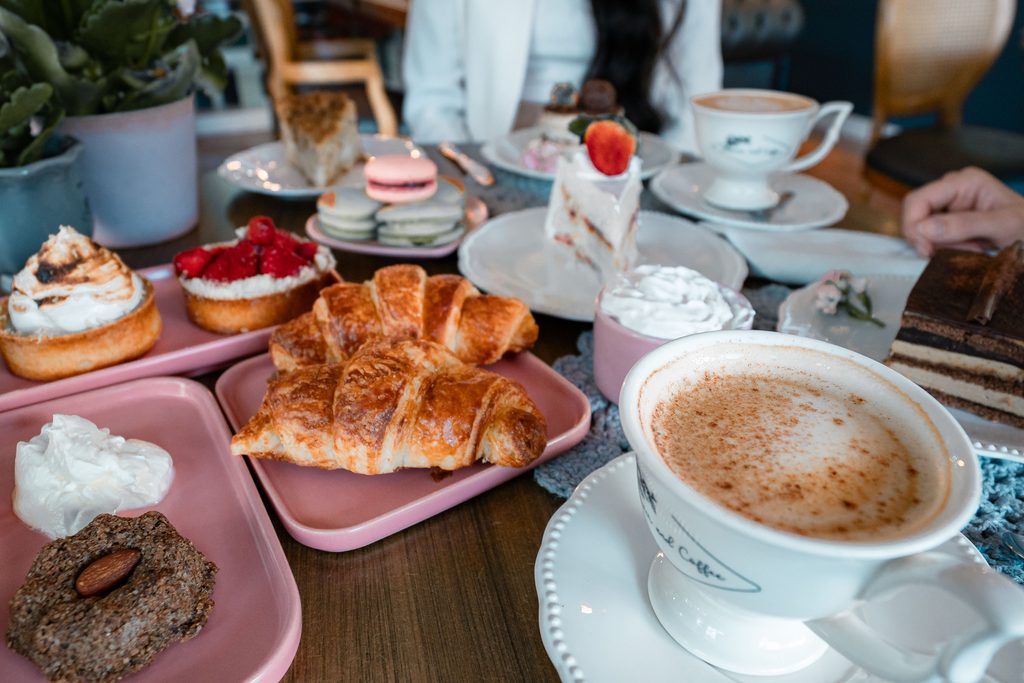
Café culture proves that a trend does not have to involve sport to drive fashion demand. Going to a café is no longer only about coffee. It is a social ritual, a workspace, a content location and a way to show a lifestyle. People dress for it, and often photograph it, which makes the outfit part of the experience.
This creates demand for clothing that is comfortable, polished and easy to photograph. A café outfit needs to survive hours of sitting, air-conditioning and casual conversation, while still looking intentional. Several product types fit naturally:
- Oversized tees in minimalist, graphic or illustrated designs suit the relaxed café mood.
- Polo shirts reach customers who want to look neat without looking formal.
- Cardigans and sweatshirts answer a practical need, since many cafés are heavily air-conditioned, and also fit the layered look that photographs well.
- Relaxed trousers complete a casual collection suited to everyday use.
The strength of this trend is its everyday nature. Café-goers return often, so they buy more regularly than people who shop for one-off activities. A brand that understands this can think in terms of repeat customers instead of single sales, building small collections with consistent colors that can be mixed and matched.
Things to consider: because the market is crowded with casual basics, differentiation comes from design identity, fit and quality of finish. A tee with a well-considered cut and a recognizable visual style will outsell a generic one at the same price.
4. Aesthetic Destinations and the “Outfit for the Place” Idea
Some places go viral because they are photogenic: a scenic viewpoint, a design-forward café, a vintage market or a coastal town. People travel there to experience them and to share them, and many think about what they will wear before they go. This creates a very specific kind of demand, which is clothing chosen to match a setting.
Brands can build collections around style concepts that fit these destinations:
- Minimalist looks use plain tees, polos and clean silhouettes that work in modern, architectural spaces.
- Earth-tone outfits in brown, cream, green and neutral shades blend well with natural landscapes and warm interiors.
- Streetwear looks with oversized tees, sweatshirts and bold graphics suit urban spots and creative neighborhoods.
- Vacation outfits focus on comfort and ease for travel, long days and relaxed exploration.
The real insight is that “outfit inspiration” content is itself a product. When a brand posts what to wear to a specific type of place, it reaches people who are already planning a visit, and the clothing becomes part of their preparation. That is positive FOMO at its most direct: the viewer wants the outfit and the experience at the same time.
Things to consider: location-driven trends move quickly. Rather than building a full collection around one viral spot, create flexible style categories that can be reused across places and seasons.
How Fashion Brands Can Act on FOMO, Responsibly
Spotting a trend is the easy part. Turning it into a sustainable business takes judgment, and it also requires care, because the same psychology that helps a brand can easily become manipulative. These strategies work best when they stay honest.
Research before you produce. Watch TikTok, Instagram, hobby communities and creators to learn what people actually ask for. If running clubs are growing in your area, find out what members wish they could buy before ordering a large batch of shirts. Comments, questions and group chats are free market research.
Choose trends that match your brand. Not every trend suits every business. Consider your target market, your production ability and your identity. A brand with a strong minimalist look will struggle to credibly sell trail-running gear, and that is fine.
Use time-limited offers sparingly. A short promotion, such as special pricing during a launch window, can help customers decide. Overused, it trains buyers to wait for discounts, so reserve it for real launches and real reasons.
Keep scarcity honest. Limited stock can make a product feel special, but only if it is truly limited. Releasing a set number of pieces in a first batch, or a special design in a small run, is genuine scarcity. Fake countdowns and invented stock levels erode trust quickly, and trust is what builds a brand.
Reward early buyers. A small bonus for the first customers, such as a tote bag, a small accessory or a voucher for the next purchase, encourages participation and gives early supporters a reason to talk about you.
Test demand with pre-orders. Opening pre-orders is one of the safest ways for a small brand to validate an idea. It reveals real interest before you commit to production, helps you plan quantities and reduces the risk of unsold stock. Be clear about production time, so customers know what to expect.
Final Thoughts
FOMO is often described as an anxiety, but for fashion brands it is better understood as information. It shows what people are curious about, what they want to belong to and what they are willing to spend on. Running clubs, hiking, café culture and aesthetic travel are not just trends to follow. They are communities with real needs.
The brands that benefit most are not the ones that chase every viral moment, but the ones that pick a trend that fits them, understand the people involved and serve them honestly. Start small, test with real customers and let demand guide the next step.
